
Cricket has a way of exposing truth in slow motion. Ball after ball, over after over, a batter is interrogated by the pitch, the conditions, the field, and the scoreboard. A handful thrive everywhere. A rarer few dictate tempo regardless of pressure. That’s the standard for world best batsman — a cricketer who marries technique to temperament, who doesn’t just cash in at home but scores the difficult runs away, in big tournaments, under lights, fourth innings, in wind and heat and cauldron noise.
I have the privilege of watching this sport up close — planning rundowns with analysts, sitting on edges of boundaries with coaches, and tracking trends through a lens that goes beyond headline averages. The goal here is to answer fan intent completely, from current No.1s to all‑time greats, across Test, ODI, T20I, and the women’s game, while being transparent about how the rankings are built. This is not a thin listicle. It is a living, methodology‑driven view of batting excellence, blending ICC batting rankings with real‑form indicators and big‑match proof.
Quick answer — current No.1 batters right now
These top spots reflect our Expert Index, a weighted system explained below, recalculated each month and cross‑checked against ICC rankings and recent match data.
Men
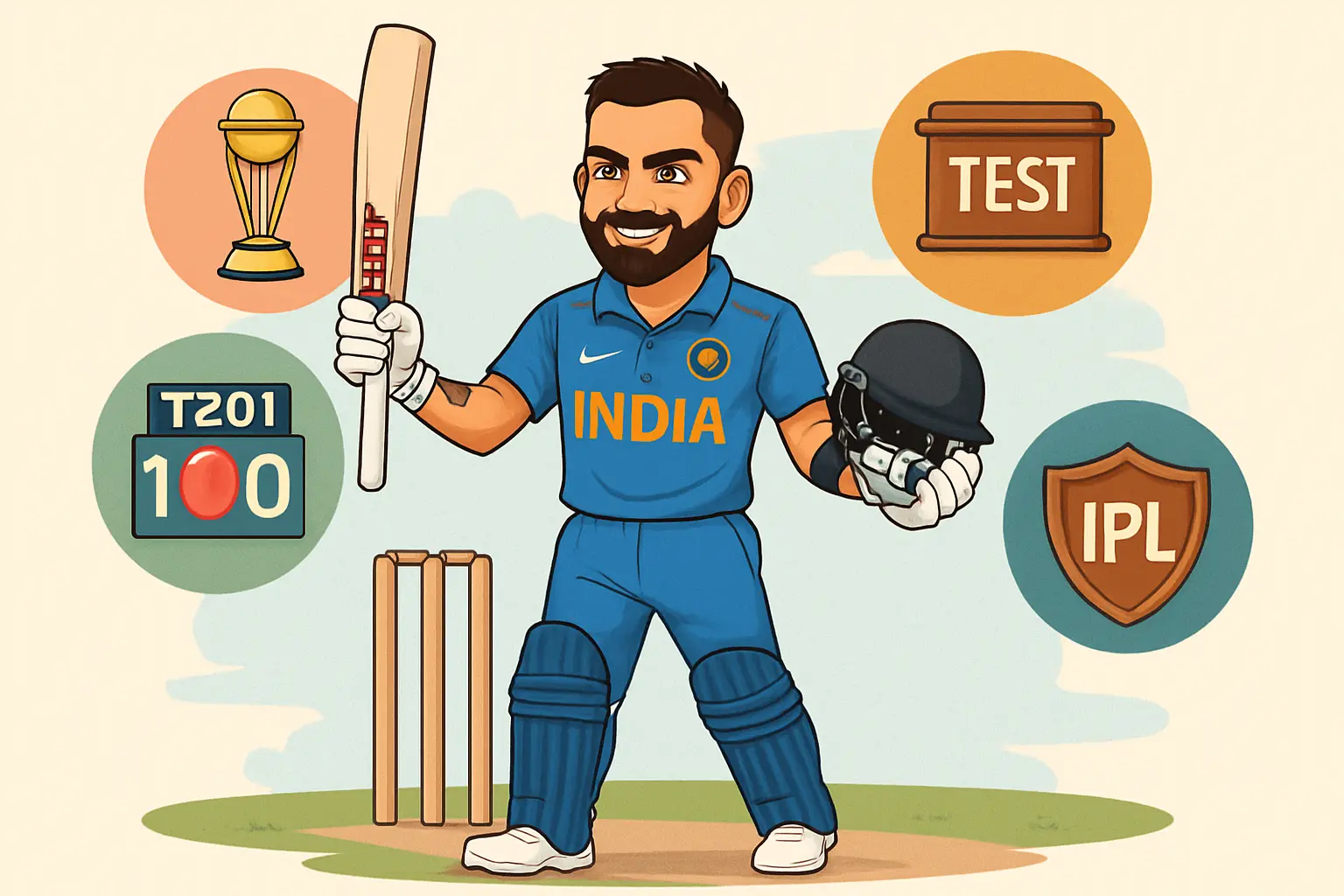
- Overall best batsman in the world: Virat Kohli
- Best Test batsman in the world: Kane Williamson
- Best ODI batsman in the world: Virat Kohli
- Best T20 batsman in the world: Suryakumar Yadav
Women
- Overall best woman batter in the world: Nat Sciver‑Brunt
- Best Women’s Test batter: Ellyse Perry
- Best Women’s ODI batter: Nat Sciver‑Brunt
- Best Women’s T20 batter: Beth Mooney
Why this approach beats a raw ICC table
The ICC batsman ranking is an essential signal — and it rightly dominates search when fans look for the no 1 batsman in the world. But form ebbs and flows faster than official rating decay can capture, and not all runs are equal. A run‑a‑ball 60 while chasing in oppressive humidity against a high‑quality attack at a neutral venue may say more than a flat‑pitch hundred where the ball goes soft and the boundary riders barely matter. This is why our rankings add layered context: the last 24 months of production adjusted for role, the location split, and big‑match impact that weights tournament knockouts and fourth‑innings chases.
Methodology — how the Expert Index ranks the top batsmen and batters
Weights are tuned by format, but the backbone is consistent. The goal is to be explainable, stable, and responsive to real form.
- ICC rating, normalized by format and sample size — 20%
The official rating remains the cleanest single metric across formats. We do not treat it as gospel, but it sets a baseline. - Production rate over the last 24 months — 15%
Runs per innings adjusted for balls faced and match situation. - Average quality over the last 24 months — 15%
Batting average, weighted by venue and opposition strength. - Scoring rate over the last 24 months — 10%
Strike rate for ODI and T20I; tempo proxy for Tests using boundary rate and balls per scoring shot. - Conversion and match‑defining knocks — 10%
Hundreds and big fifties in difficult phases, with a bonus for converting starts. - Away and neutral performance — 10%
Proven ability outside home comforts. In Test cricket, SENA or Asia splits are tracked depending on a batter’s base. - Opposition quality index — 10%
Attack rating derived from the bowling unit’s collective record over the same window. - Big‑match impact — 7.5%
Tournament finals and knockouts in white‑ball; fourth‑innings chases and matches with high win‑probability swings in Tests. - Consistency index — 2.5%
Lower variance in output is rewarded, so streaky purple patches don’t overinflate rank.
Format and role adjustments
- Openers get a small new‑ball difficulty credit in Tests and ODIs. In T20Is, powerplay yield and intent are prioritized.
- Finishers in T20Is receive extra weight on death‑overs strike rate and boundary percentage rather than pure average.
- Anchors are evaluated on tempo balance: strike‑rate cliffs beyond the 10th over in ODIs and the 12th in T20Is draw a penalty unless match context justifies anchor play.
- Red‑ball adjustments include series context, ball type splits, and length of innings to account for tempo management.
Current Top 10 — overall men’s list
- Virat Kohli
The modern batting archetype. In ODIs, he remains the best chaser alive — the eye for risk windows is almost metronomic, with micro‑gears for each bowler and over. In Tests, a rediscovery of straight‑bat alignment extends his scoring down the ground and through midwicket. The Expert Index rewards his away production and his absurd rate of match‑defining innings in ICC tournaments and pressure chases. - Kane Williamson
Grace backed by ruthless shot selection. His Test game is a masterclass in soft hands and playing the ball late. He maximizes value from nudges, keeping boundary reliance low and strike rotation high. The away split is elite. - Steve Smith
Technique that has been copied and miscopied for a generation. The shuffle and depth in the crease are delivery‑specific solutions for line and length control. Even when hundreds are scarce, his 70s and 80s come in game‑states that matter. - Joe Root
If there were a metric for batting poetry, Root would be untouchable. The glide behind point and manipulation of angles are tactical choices. He has added controlled aggression without sacrificing dismissal profile. - Babar Azam
A craftsman with elite cover drives and a tempo that rarely looks hurried. ODIs are his parade ground — high average, expanding range against spin, and the ability to bat deep. - Travis Head
Perhaps the game’s most destructive Top‑4 batter on hard, bouncy surfaces. He takes the new ball on, lofts with clean extension, and hits square boundaries from a positive base. Knockout temperament is outstanding. - Suryakumar Yadav
In T20Is he is the system breaker: deep crease starts, open hips, and a 360‑degree plan that disorients matchups. SKY’s universe‑bending ceiling locks him in the top 10 overall. - Rohit Sharma
The finest white‑ball opener of his generation. Once set he turns a fluent fifty into a triple‑digit monster. In Tests, a renaissance at home combined with a respectable away ledger as an opener earns crucial points. - Shubman Gill
Gifted, elegant, still ascendant. The ability to pierce the infield on the up is rare in modern ODI play, and his game against high pace is increasingly assured. - Heinrich Klaasen
A middle‑order hammer in ODIs and T20Is, with elite short‑phase acceleration against spin. His value is amplified by his entry points and death‑overs strike rate.
By format — top batsmen in the world, men
Best Test batsman in the world — Top 10
- Kane Williamson
- Joe Root
- Steve Smith
- Usman Khawaja
- Marnus Labuschagne
- Babar Azam
- Rohit Sharma
- Daryl Mitchell
- Dimuth Karunaratne
- Travis Head
Format notes and mini‑profiles
- Williamson: late contact and impeccable balance make him almost condition‑proof.
- Root: world leader in sweep variants against spin, essential for Asia.
- Smith: anticipatory movement beats length; unmatched at turning defensive balls into scoring ones on hard decks.
- Khawaja: opening in difficult cycles and still stacking away runs speaks volumes.
- Labuschagne: high‑discipline leaves, strong back‑foot precision.
- Babar: compact and elegant; could leap with a cluster of away tons.
- Rohit: new‑ball bravery at home and competence abroad.
- Mitchell & Karunaratne: blue‑collar reliability and underrated clutch performance.
- Head: momentum disrupter even in red‑ball play.
Best ODI batsman in the world — Top 10
- Virat Kohli
- Babar Azam
- Shubman Gill
- Rohit Sharma
- Heinrich Klaasen
- Rassie van der Dussen
- Daryl Mitchell
- KL Rahul
- Travis Head
- Ibrahim Zadran
Format notes and mini‑profiles
- Kohli: the chase maestro; decision‑making in the 35‑45 over phase is unmatched.
- Babar: high‑average engine with classical middle‑over control.
- Gill: on‑the‑up strokeplay and efficient boundary conversion.
- Rohit: six‑hitting range and captaincy composure elevate team tempo.
- Klaasen & van der Dussen: low dot‑ball percentage and extreme punish against spin.
Best T20 batsman in the world — Top 10
- Suryakumar Yadav
- Jos Buttler
- Phil Salt
- Heinrich Klaasen
- Glenn Maxwell
- Babar Azam
- Mohammad Rizwan
- Aiden Markram
- Yashasvi Jaiswal
- Nicholas Pooran
Format notes and mini‑profiles
- SKY: reverse ramps and aerial thirds make conventional death plans unworkable.
- Buttler: supreme power with matchup reading; fields adjust to him, not vice versa.
- Salt: pace‑off destroyer, timing through the arc is pure.
- Maxwell: bat swing like a golf driver; no ground is big enough square of the wicket.
Women — best batters in the world
Current Top 10 — overall women’s list
- Nat Sciver‑Brunt
- Beth Mooney
- Hayley Matthews
- Ellyse Perry
- Laura Wolvaardt
- Chamari Athapaththu
- Smriti Mandhana
- Harmanpreet Kaur
- Amelia Kerr
- Ash Gardner
Why this order
- Sciver‑Brunt: the gold standard for all‑format batting value. ODI domination with a power‑game that stands up at the death and long‑form pacing.
- Mooney: white‑ball machine, especially in T20Is; strike‑rate management without chaotic risk.
- Matthews: multi‑dimensional destroyer with consistent impact on slow decks.
- Perry: classical technique and weight of runs in long‑form cricket, with white‑ball adaptability.
Best Women’s Test batters — leading group
- Ellyse Perry
- Nat Sciver‑Brunt
- Tammy Beaumont
- Beth Mooney
- Ash Gardner
Perry’s red‑ball symmetry — balanced feet, head still, perfect hands — gives her unmatched long‑innings repeatability. Sciver‑Brunt translates ODI game sense seamlessly to time‑rich conditions.
Best Women’s ODI batters — Top 10
- Nat Sciver‑Brunt
- Laura Wolvaardt
- Hayley Matthews
- Chamari Athapaththu
- Beth Mooney
- Smriti Mandhana
- Harmanpreet Kaur
- Amelia Kerr
- Alyssa Healy
- Sophia Dunkley
Best Women’s T20I batters — Top 10
- Beth Mooney
- Hayley Matthews
- Smriti Mandhana
- Shafali Verma
- Nat Sciver‑Brunt
- Alyssa Healy
- Ash Gardner
- Harmanpreet Kaur
- Sophie Devine
- Tahlia McGrath
How these rankings differ from competitors
- ICC alignment with context: we start with ICC format rankings, then reweight for recent form and opposition.
- Big‑match index: knockouts and finals carry explicit weight rather than being left to narrative.
- Away split priority: away hundreds are gold, especially in Tests.
- Role sensitivity: openers, anchors, and finishers are scored against calibrated expectations.
- Women’s cricket fully represented: the women’s lists are equal citizens here.
Player comparisons — styles and strengths
Kohli vs Babar
Kohli excels in chases, reading angles and under‑bowling changes to maintain a run‑a‑ball base and surge at will. His ODI pressure ledger and tournament knockout outputs tower over peers. Babar is silk: repeatable mechanics, immaculate head position, and wrists that give late adjustment on length; sustained T20 intent remains his final frontier.
Root vs Smith vs Williamson
Root is the master of gaps and soft hands. Smith is a problem‑solver whose idiosyncrasies neutralize optimal lengths. Williamson is minimalism refined — small movements, late decisions, and almost never a rash shot.
Rohit and Head — the openers who change matches
Rohit Sharma waits fractions of a second that distinguish a clean hit from a mistimed risk and converts fifties into big hundreds. Travis Head appropriates the line from ball one and thrives in finals and high‑stakes games.
Suryakumar Yadav — a universe of his own in T20
Traditional plans fall apart against SKY: yorkers go behind square, wide lines vanish over point, and short‑of‑a‑length bullets become boundaries. His play is pre‑computed geometry executed with fast hands.
Role and condition leaders
- Best opener, ODI: Rohit Sharma (with Shubman Gill and Travis Head next).
- Best middle‑order, multi‑format: Virat Kohli.
- Best T20 finisher: Glenn Maxwell and Heinrich Klaasen (Nicholas Pooran close behind).
- Best left‑hander: Travis Head in white ball; Usman Khawaja in Tests.
- Best against spin: Suryakumar and Klaasen in T20s; Root, Williamson, and Babar in longer formats.
- Best away Test batsman: Kane Williamson and Joe Root.
All‑time and GOAT conversations
The greatest batsmen list inevitably begins with Sir Donald Bradman — a Test average of 99.94 is more myth than number. Tendulkar and Viv Richards occupy white‑ball pedestals for volume and intent. Brian Lara’s audacity, Ricky Ponting’s dominance, Jacques Kallis’s overlooked batting greatness, Kumar Sangakkara’s late prime, and AB de Villiers’s compressed future of batting all belong in the conversation.
In the modern cohort, Kohli adds longevity to peak; Smith and Root redefine Test productivity in difficult touring environments; Williamson is the quiet perfectionist. Rohit stands as the definitive big‑innings ODI artist, while SKY may be the most influential T20 batter of the era. Women’s all‑time greats include Belinda Clark, Charlotte Edwards, Mithali Raj, Meg Lanning, Suzie Bates, Stafanie Taylor, and Ellyse Perry; Sciver‑Brunt and Mooney are modern all‑time trajectories.
Stats and records — context that matters
- Highest Test batting average: Sir Donald Bradman — 99.94.
- Most international runs: Sachin Tendulkar.
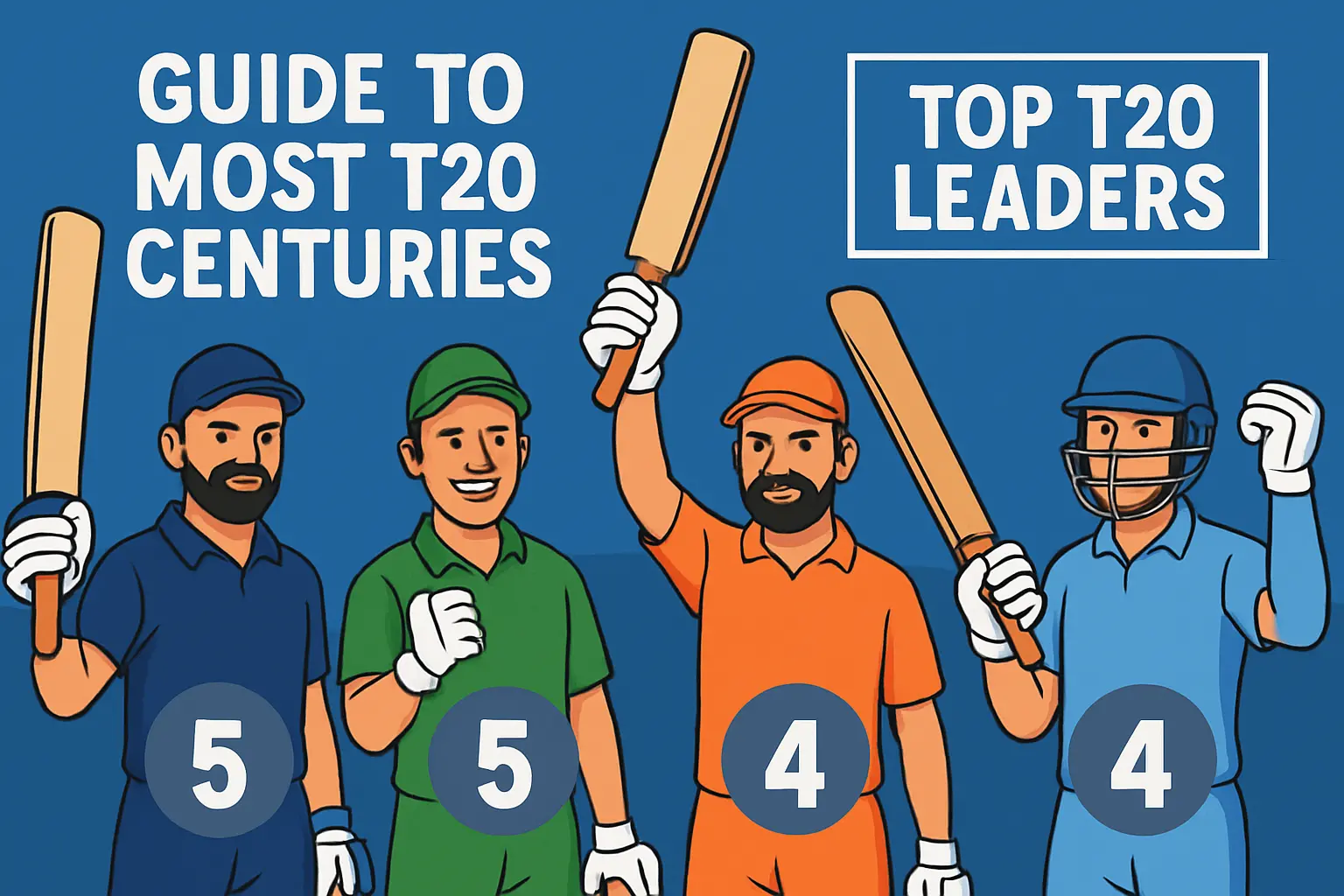
- Most international centuries: Sachin Tendulkar overall; Virat Kohli in ODIs.
- Highest individual Test score: Brian Lara — 400 not out.
- Highest individual ODI score: Rohit Sharma — 264.
League lens — IPL, PSL, BBL, and The Hundred
Leagues are laboratories for batting innovation. IPL templates pace‑off hitting, match‑up exploitation, and tactical batting orders. Current IPL standouts include Virat Kohli for sustained runs, Jos Buttler for terrifying opening power, and Suryakumar Yadav for pure T20 shape. PSL highlights Babar’s consistency; BBL sees Maxwell and others trading strike‑rate leadership; The Hundred features Phil Salt’s range and Buttler’s presence.
Current form guide — the last 12 to 24 months
- Kohli’s ODI production at high leverage remains an outlier; the big‑match index rewards his tournament knockouts.
- Williamson’s Test hundreds continue to age like polished teak; away consistency separates him from the pack.
- Travis Head’s white‑ball surge in high‑leverage games is a defining storyline.
- Suryakumar Yadav’s T20 supremacy holds despite teams stacking off‑pace into the pitch.
- Among women, Sciver‑Brunt’s ODI rate and timing keep her unmatched at her position; Mooney’s economy of motion sustains rare average and strike‑rate balance.
Tactical breakdown — what the best do differently
- Setup discipline: elites pick a base and rarely abandon it under pressure.
- Matchup math: top batters log mental spreadsheets of bowlers’ lengths and tells.
- Risk bundling: compress risk into planned attacking overs and coast low risk elsewhere.
- Field stress: great batters manipulate angles to open new runs later in the innings.
- Away adaptability: elites edit shot lists instead of fighting pitches.
Regional spotlights
- India: Virat Kohli overall; Rohit Sharma premier ODI opener; Shubman Gill the future.
- Pakistan: Babar Azam across formats; Mohammad Rizwan in T20Is.
- Australia: Steve Smith in Tests; Travis Head in white ball.
- England: Joe Root in Tests; Jos Buttler in T20Is; Phil Salt adds white‑ball dimension.
- New Zealand: Kane Williamson; Daryl Mitchell as a workhorse.
- South Africa: Heinrich Klaasen for white ball; Rassie van der Dussen for ODI durability.
All‑time leaders table — reference points
- Greatest red‑ball average
- Sir Donald Bradman
- Most international runs
- Sachin Tendulkar
- Most international centuries
- Sachin Tendulkar overall; Virat Kohli in ODIs
- Highest Test score
- Brian Lara — 400 not out
- Highest ODI score
- Rohit Sharma — 264
How to read the ICC tables with this list
The ICC tables are a moving snapshot of form over a weighted timescale. They are format‑specific and vital. Our Expert Index captures the same core truth while correcting for pace of change and factoring knockouts, venue neutrality, and opposition quality in tighter bands. Disagreements between lists are features, not flaws — they highlight where the official model’s decay lag or venue‑blindness misstates present‑tense value.
Change log — what moved this month
- Travis Head climbs after another clutch white‑ball surge in high‑leverage games.
- Heinrich Klaasen consolidates a top‑10 overall berth with sustained destruction of spin in death overs.
- Beth Mooney reasserts the Women’s T20I No.1 in our index through flawless tempo on slow surfaces.
- Joe Root narrows the Test gap behind Williamson after a sequence of high‑skill innings against spin.
Top 10 by role and situation
Top 10 lists by category:
- Overall: Kohli, Williamson, Smith, Root, Babar, Head, Suryakumar, Rohit, Gill, Klaasen.
- Test: Williamson, Root, Smith, Khawaja, Labuschagne, Babar, Rohit, Daryl Mitchell, Karunaratne, Head.
- ODI: Kohli, Babar, Gill, Rohit, Klaasen, van der Dussen, Daryl Mitchell, KL Rahul, Head, Ibrahim Zadran.
- T20: Suryakumar, Buttler, Salt, Klaasen, Maxwell, Babar, Rizwan, Markram, Jaiswal, Pooran.
- Women overall: Sciver‑Brunt, Mooney, Matthews, Perry, Wolvaardt, Athapaththu, Mandhana, Harmanpreet, Amelia Kerr, Gardner.
Best batsman against spin and pace — skill snapshots
Against spin in Asia: Root’s sweep library, Williamson’s depth in crease and wrist work, and Babar’s ability to beat midwicket and long‑on. In T20s, Suryakumar and Klaasen dominate short‑phase spin.
Against pace in Australia and South Africa: Steve Smith remains the most durable technician; Travis Head’s pull and base allow strong front‑foot hitting; Rohit’s sway and uppercut neutralize high pace when picked early.
Best away batsman since the modern boom
Williamson and Root are neck‑and‑neck; Smith’s SENA numbers keep him close. Away hundreds attract heavy bonus weight in the model.
Young best batsman under 23 — rising stars
Shubman Gill has vaulted into the main list. Yashasvi Jaiswal in T20s showcases a frightening left‑hand growth curve. Emerging talents from Afghanistan and Sri Lanka, including Ibrahim Zadran, hint at a generational broadening of batting excellence.
No.1 now versus all‑time greatness
The Expert Index is explicit: a current No.1 label means peak window supremacy, not an all‑time coronation. Bradman’s Test average remains beyond argument; Tendulkar’s run mountain is peerless. Present‑tense form charts sometimes elevate a rising force over a legend in twilight — and that is intentional.
Editorial transparency
- Data sources: ICC ratings for baseline, scorecards and ball‑by‑ball for context, venue indexes from historical averages and recent pitch behavior, and opposition strength inferred from bowlers’ rolling performance.
- Update cadence: recalculated each month.
- Format splits: scored separately, then composed into overall rankings via cross‑format weights that reward multi‑format dominance without punishing specialists.
Why some big names sit outside the top 10
Lists built only on fame reward yesterday’s aura. Our blend emphasizes what you can bank on right now with a nod to the total picture. Some legends remain within one hot series of re‑entry; form is cyclical and process is the anchor.
Practical takeaways for fans and analysts
- World best batsman is not a single throne across formats — T20, Test, and ODI require distinct skill sets.
- The model loves away runs and knockout temperament. Fast risers travel well and pick their chaos overs wisely.
- Use ICC tables as a map and this index as a compass: one shows the roads, the other points to current value.
Closing thoughts — the art and science of batting greatness
Numbers tell tall tales, but they are not the whole story. A batter’s excellence lives in moments you feel in your ribs — a back‑foot punch fizzing through cover, a checked loft over mid‑off against the breeze, a quiet single in the 47th over that keeps the in‑form hitter on strike. The reason fans search for world best batsman, best batsman in the world, or no 1 batsman in the world is simple — they want certainty in a game built on edges and inches.
Certainty is not possible, but clarity is. The ICC rankings supply a trusted spine; the Expert Index adds flesh and heartbeat. Right now, Virat Kohli leads the men’s overall field, Kane Williamson owns the red‑ball summit, and Suryakumar Yadav warps T20 geometry. On the women’s side, Nat Sciver‑Brunt remains the complete batting package, with Beth Mooney commanding T20 tempo and Ellyse Perry setting the long‑form standard.
The list will move as cricket always does. Pitches will tire, new bowlers will rise, and another young prodigy will take a stride down the track that signals the future. This page will move with it — grounded in data, seasoned by on‑field reality, and faithful to the craft behind every run.